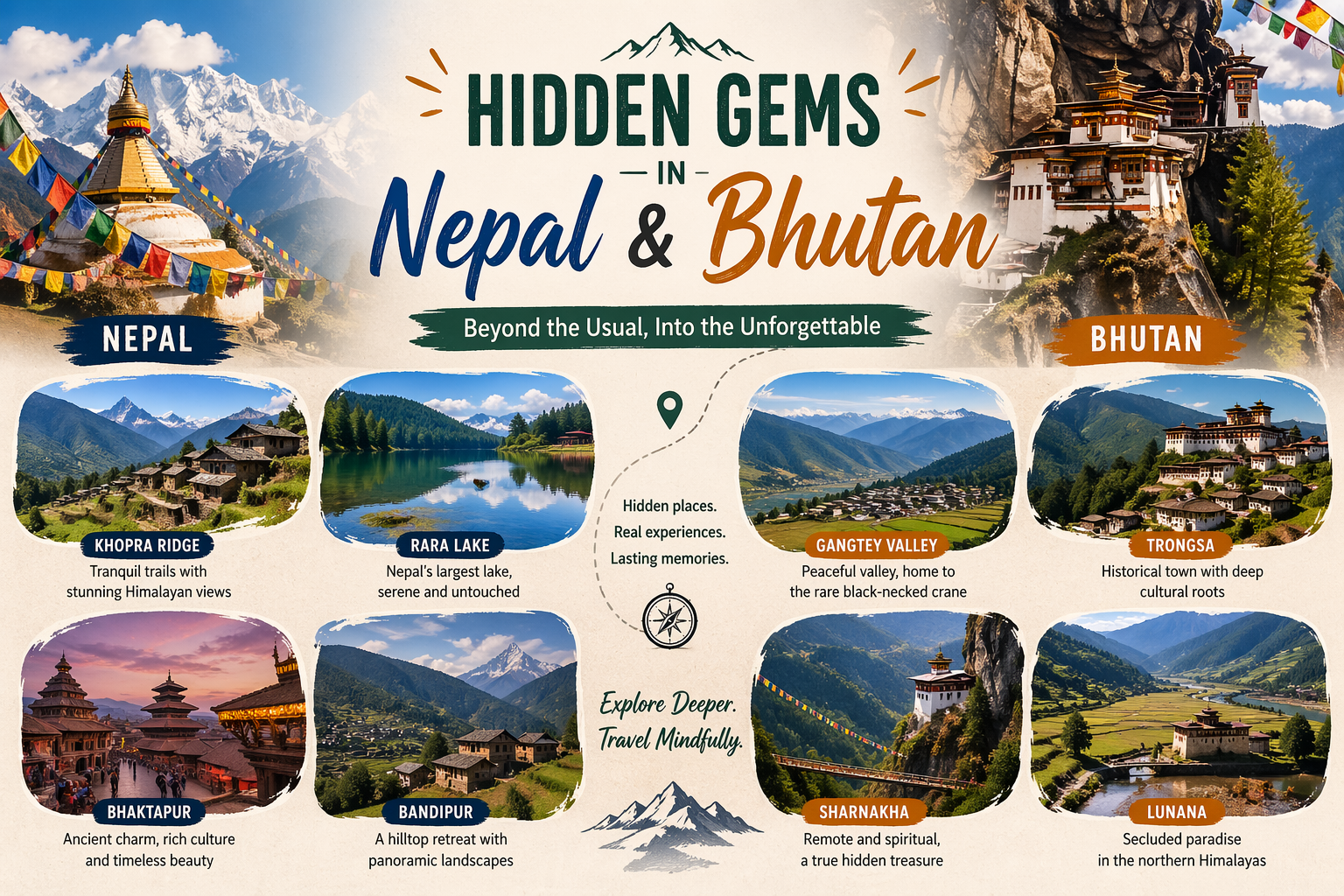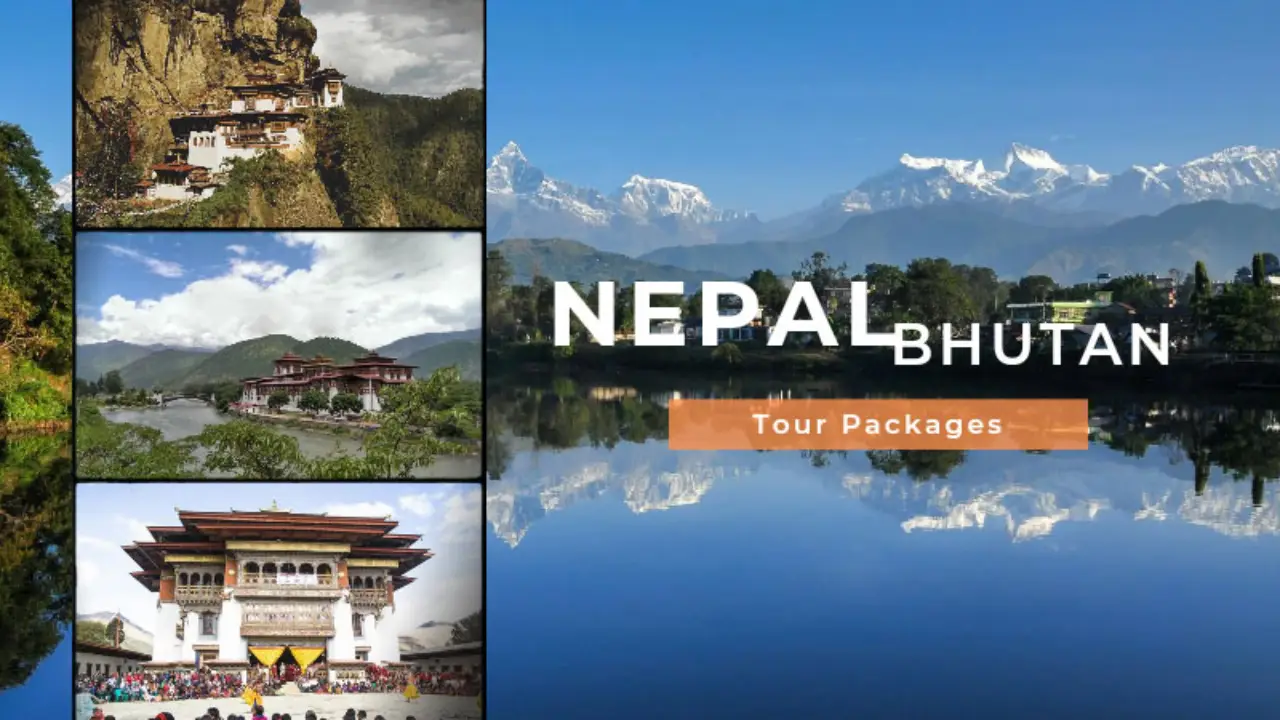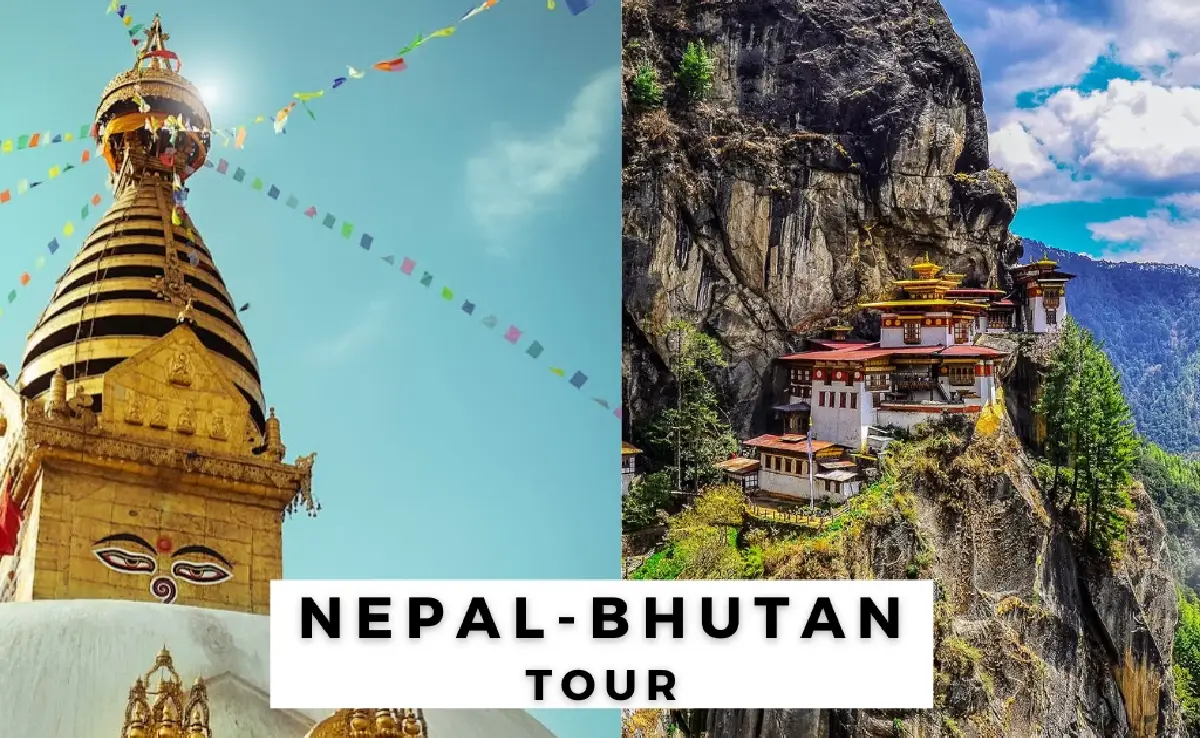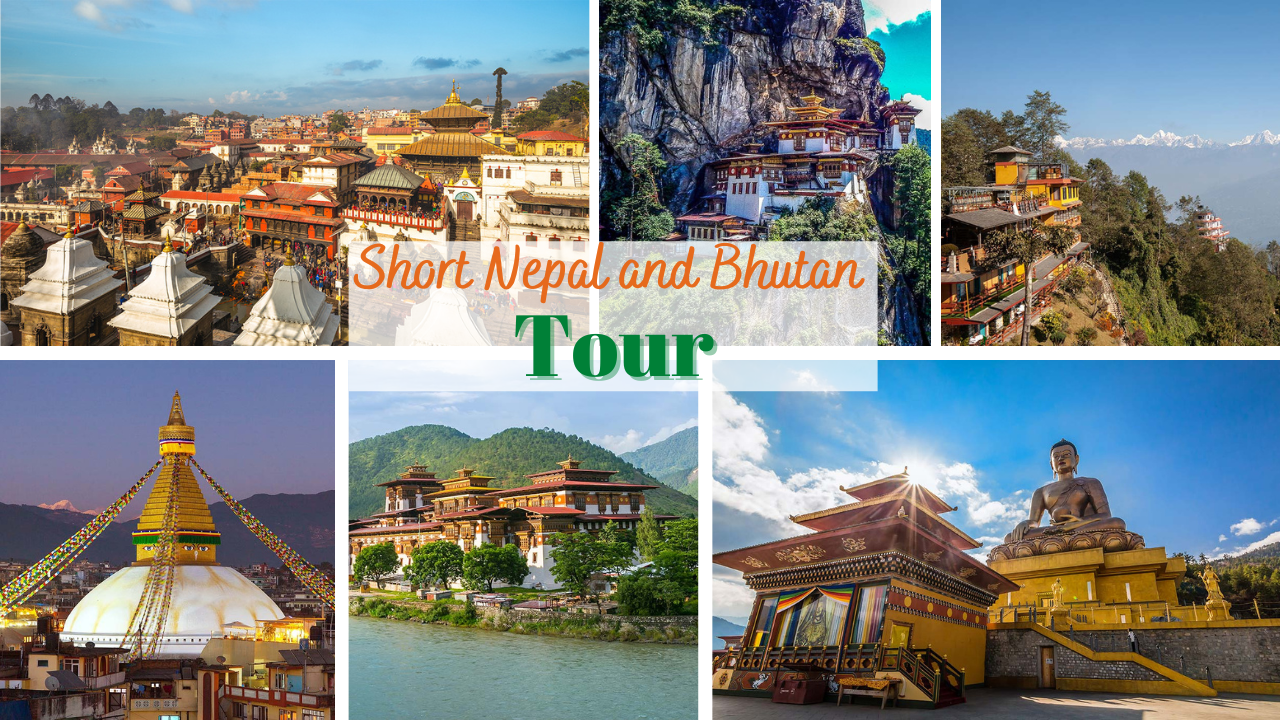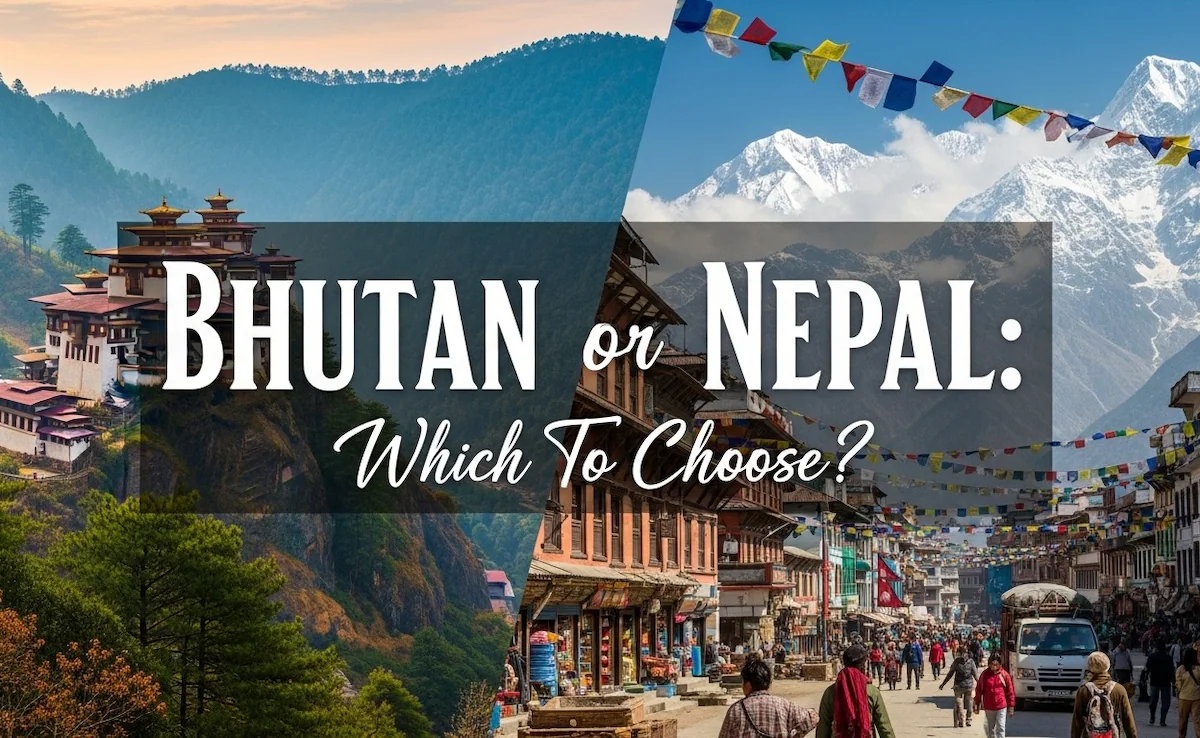
It's been some time now that you visualize these mountains called the Himalayas. The pictures: those monks in yellow orange dresses, those sheets of snow that cap the towering mountains and even those old structures built atop stone cliffs that seem too steep even to climb. The pictures, of course, are there, but now you have reached a computer –more precisely, a laptop as you have two windows open; one describes Nepal and the other Bhutan.
So, which one to choose: Nepal vs. Bhutan? This is an introspection that most individuals from countries that travel to Asia face most times and to be honest, it is understandable. These two countries are also special. They both are nestled at the base of the tallest mountains in the world. These regions also have an emotional depth that a visitor would carry, perhaps for the rest of their lives, memories that have been created in these lands.
However, they present completely different kinds of adventure. Absolutely different.
This chapter explores the real distinctive features - the culture, the expenses, the trekking possibilities, and the accessibility of the areas, the travel restrictions imposed in the countries and the impressions of the general atmosphere of the two sides - the reader will be able to choose the country to visit first and the reasons for such a choice.
Rather than jumping into logistics, let us first appreciate the nature and characteristics of each place.
Nepal has passion, stoicism and sex appeal. Walking through Kathmandu is like being hit with a tsunami of incense, diesel, circumnavigating motorbikes, and being confronted by hawkers in every corner. This is disorder in the best sense of the word. It is the heart of Nepal, and it’s glorious once you have attuned yourself to it.
May is polar opposite to that. Once you land in Paro Municipality, which boasts of one of the most interesting approaches, weaving the airplane through mountain ranges right before landing, the bustle is gone. The roads are spick and span. Then, there are Dzongs (fortress monasteries) that ooze charm, and stand above the rivers. The locals take their time walking. You will not find Bhutan showing off. It just is, in its own way.
Are you the type of a tourist who prefers to get into things that are more of a spectacle? Then, your best bet is Nepal. However, if it is a silent distortion that is calling out to you, maybe there is something from Bhutan that awaits you.
This is where the two countries diverge most sharply — and it matters a great deal for planning.
Nepal is one of the most accessible countries in South Asia. Visas are available on arrival at Tribhuvan International Airport in Kathmandu, cost $30–50 USD depending on duration, and the process takes under 30 minutes. No guide is required. No pre-booking is mandatory. You can show up with a backpack and figure it out as you go.
Bhutan operates under a controlled tourism model unlike anywhere else in the world. All international visitors (except Indian, Bangladeshi, and Maldivian nationals) must book through a licensed Bhutanese tour operator. You cannot travel Bhutan independently — not legally, anyway. Every itinerary is guided, every movement is planned. On top of that, Bhutan charges a Sustainable Development Fee (SDF) of $100 USD per person per night, designed to keep mass tourism at bay and protect the country's culture and environment.
Bhutan's tourism rules aren't bureaucratic red tape. They're a deliberate philosophy. The country coined the term "Gross National Happiness" and built its entire development model around it — including how it manages tourism. You're not just visiting Bhutan. You're engaging with it on its terms.
Winner for accessibility: Nepal, by a wide margin. Winner for exclusivity and immersion: Bhutan.
Let's be direct — Bhutan is significantly more expensive than Nepal. But the reasons are worth understanding.
Nepal Travel Budget Nepal is one of the most budget-friendly destinations in Asia. A comfortable mid-range traveler can live well on $50–80 USD per day, covering accommodation, food, local transport, and entrance fees. Budget backpackers can stretch their rupees further — $25–35/day is very doable. Trekking adds some cost (permits, guides, gear), but even a classic Everest Base Camp trek is affordable by global standards.
Cost of Bhutan vs Nepal Bhutan is in a completely different pricing category. The $100 SDF per night is mandatory and non-negotiable. Add your accommodation (which ranges from $80 to $500+ per night), your guide fees, transport, and internal activities, and a standard 7-day trip can cost $1,500–2,500 USD per person before flights. Luxury Bhutan experiences can push well past $10,000.
However, it's worth noting that Bhutan's controlled entry means you're rarely fighting crowds at major sites. The Tiger's Nest hike doesn't have a queue snaking down the mountain. Punakha Dzong isn't overrun with selfie sticks. You often feel like you have entire landscapes to yourself — something that's genuinely hard to put a price on.
For a detailed side-by-side breakdown, explore the full Nepal Bhutan tour cost guide to understand how to budget for both destinations together.
Winner for budget travelers: Nepal. Winner for value-per-experience: Bhutan (if the budget allows).
Both countries offer world-class trekking. But the experience is fundamentally different.
Trekking in Nepal Nepal is the trekking capital of Asia — possibly the world. The infrastructure is mature, the trail networks are vast, and the choice of routes spans everything from a comfortable 3-day Poon Hill circuit to the legendary 20-day Everest Base Camp trek. Teahouses line most major routes, making self-guided treks entirely feasible. Annapurna, Langtang, Manaslu, Upper Mustang — the options are almost overwhelming.
Nepal's trekking scene is also social. You'll meet hikers from every corner of the globe on the trail, swap stories at teahouse dinners, and forge the kind of friendships that only happen when people suffer beautiful hardships together.
Trekking in Bhutan Trekking in Bhutan is more remote, more controlled, and frankly, more exclusive. The Snowman Trek — a 25-day crossing of the Bhutanese Himalayas — is considered one of the hardest and most spectacular treks in the world. The Druk Path Trek, Jomolhari Trek, and Bumthang Cultural Trek are all stunning and far less crowded than anything in Nepal.
Bhutan treks require a licensed guide (no solo trekking is permitted), which adds cost but also adds value — your guide is often a local with deep knowledge of the land, culture, and monasteries along the route. Camping is more common than teahouses.
Winner for variety and accessibility: Nepal. Winner for wilderness and exclusivity: Bhutan.
This is where the comparison gets genuinely nuanced.
Nepal's Cultural Landscape Nepal is a Hindu-Buddhist mosaic, and it wears that heritage everywhere. Kathmandu's Durbar Squares, Pashupatinath's cremation ghats, Boudhanath's prayer wheels — spirituality is embedded in daily life, but it coexists with modernization, tourism, and the pressures that come with a rapidly developing country. Some sacred sites feel overcrowded. Others feel profoundly moving. The contrast is part of Nepal's character.
Bhutan's Cultural Landscape Bhutan is perhaps the most culturally intact country in Asia. Dzongkha remains the national language. Traditional dress (gho for men, kira for women) is required in official settings. Masked festival dances (Tshechus) have been performed without interruption for centuries. The government actively legislates cultural preservation — satellite dishes were banned until the late 1990s, and television was only introduced in 1999.
Bhutan culture travel isn't about watching a culture perform itself for tourists. It's about encountering a living, breathing, unapologetically traditional society. That's increasingly rare in the modern world.
Winner for raw, immersive spirituality: Nepal. Winner for cultural preservation and authenticity: Bhutan.
In 2023 there were more than a million tourists that visited Nepal. Bhutan by official government policy, accepts even less of the number in question. The distinction becomes perceptible on site.
In October, one has to wait to get to the Everest Base Camp entrance. During seasons with increased volume of tourists, it is not easy to find spare rooms in the teahouses along the Annapurna Circuit as they tend to be fully booked weeks before. Moreover, some famous views in Kathmandu Valley start getting jam-packed with people as early as mid-morning.
Contrary to this, visiting Bhutan’s Tiger’s Nest is a rather more intimate experience even in peak season. The introduction of the SDF mechanism in the country serves above all to limit slightly the flow of tourists and their ensuing participation. Bhutan does not capture the attention of the tourists in any way, except in an extremely few places, regardless of whether the belief system is acceptable or not, this fact is irrefutable.
In case one of the places you really did not want to see was the exact epitome of nepal vs bhutan this would be the part where many hats retailing bhutan wins.
Nepal is right for you if:
You're traveling on a tighter budget
You want flexibility — to change plans, explore independently, move at your own pace
Trekking and adventure sports are central to your trip
You want to experience the full spectrum of Himalayan culture, including Hindu traditions
It's your first time in the Himalayan region
Bhutan is right for you if:
You have a higher travel budget and value exclusivity
You want a deeply curated, guided cultural experience
Solitude, serenity, and spiritual depth are your priorities
You're interested in Tibetan Buddhism and want to see it practiced in its most intact form
You're a returning traveler who's already done Nepal and wants something new
Here’s the fact that most comparison guides fail to reveal; nepal vs bhutan, amongst many other questions, is quite easy to answer — the answer is both.
The right blend of Nepal and Bhutan tour allows one to embrace the adrenaline rush, in the case of Nepal, and the most tranquil spirit in the case of Bhutan – within one single trip – quite often, in less than 10 to 14 days. Kathmandu to Paro, it only takes about 1.5 hours to travel across a world. This sharp contrast makes both places all the more interesting.
There are those who are interested in physically integrating the destinations while on the ground – how about adding temples, trekking, or their local cuisine to the whole equation, right? – and exploring Nepal and Bhutan’s ‘hidden treasures’ would allow such individuals to go deeper in planning than just the mere ‘highlights’.
If you're in New York, and you skipped the trip because of all the logistical hurdles you know you will face in Bhutan especially, then it is better with a partner. Midasia Routes has designed a New York Nepal and Bhutan package that will take care of the visa arrangements, the Bhutan fulfilment, allow booking of tickets locally and make itineraries service available for the duration of the stay so that the travellers’ attention is only on the vacation.
Those travel enthusiasts in the west coast should get ready since planning that Himalayan trip from California at best implies finding intricate flight connections to work around time zones. Midasia Routes solves this problem with a Nepal and Bhutan tour package in California that takes care of everything from the first inquiry that you may make from Los Angeles or San Francisco to the last night in Thimphu.
Not in South East Asia but looking for a suitable and affordable listing for departure? Maybe it is the right time then for you to think about nepal vs bhutan tour deals from Florida and leads you to the dream peak tours of the Himalaya from experts who know both places down to the core.
Time needed: Nepal deserves at least 7–10 days on its own. Bhutan needs a minimum of 5 days to feel worthwhile. A combined trip ideally runs 12–14 days.
Physical fitness: Both countries involve some elevation. Acclimatization days are not optional — they're essential.
Photography: Bhutan has restrictions on photography inside dzongs and religious sites. Always ask before shooting.
Internet: Nepal has solid 4G. Bhutan is patchy — embrace it.
Solo travel: Nepal is perfect for solo travelers. Bhutan requires a guide, so solo travelers will have a private guide, which is actually a wonderful way to go deep into the culture.
Understanding the best time to visit Nepal and Bhutan is equally critical — your window of ideal weather for both countries overlaps neatly in October–November and March–April, which makes planning a combined trip much simpler.
Any discussion about Nepal and Bhutan would inevitably include words like 'remarkable' and 'country' in the same breath. Nepal takes a person’s breath away. Bhutan calms the soul. Both offer new lenses through which the world will be viewed.
If funds are limited, a trip to Nepal is highly recommended as beauty here comes in abundance and there is something for almost every type of traveler. If you are able to spend more money and want out of the ordinary experiences, visit Bhutan. If at all possibilities allow traveling to both countries at once, then why not take them up. This is the kind of itching travel that will remain forever in the memory.
Midasia Routes was created with the sole aim of making such journeys possible and not just merely possible but beautifully possible, with an ease that would go a long way towards redefining travel from just a good one to a trip that would be relished for the rest of one’s life.
1. Is Bhutan more expensive than Nepal? Yes, significantly. Nepal is one of Southeast Asia's most budget-friendly destinations, while Bhutan requires a mandatory $100 USD Sustainable Development Fee per person per night, plus accommodation, guide fees, and transport. A week in Bhutan can cost 3–5 times more than the same duration in Nepal.
2. Can I visit Nepal and Bhutan in the same trip? Absolutely. Many travelers combine both countries in a 10–14 day trip. There are direct flights between Kathmandu and Paro, making the transition smooth. A combined Nepal Bhutan tour is actually one of the most popular itineraries in the region.
3. Do I need a guide in Bhutan? Yes. All international visitors to Bhutan (except Indian, Bangladeshi, and Maldivian nationals) are required to book through a licensed Bhutanese tour operator. Independent travel is not permitted. This guide requirement is built into every official Bhutan tour package.
4. Which country is better for trekking — Nepal or Bhutan? Nepal offers more variety, better infrastructure, and lower cost for trekking. Bhutan offers more solitude, more wilderness, and a more exclusive experience. Serious trekkers with a higher budget often say Bhutan's trails are among the most rewarding in the world — but Nepal's Everest and Annapurna routes remain iconic for good reason.
5. Is Bhutan worth the extra cost compared to Nepal? For the right traveler, absolutely. If cultural immersion, solitude, and the experience of one of the world's most carefully preserved societies appeal to you, Bhutan's price tag is justified. Nepal delivers tremendous value at every budget level, but Bhutan offers something that money alone can't fully quantify — genuine, unhurried access to a way of life that's disappearing almost everywhere else.
Still weighing your options? Reach out to Midasia Routes and let our team help you design the Himalayan journey that fits your style, timeline, and budget — whether that's Nepal, Bhutan, or the best of both.
Your email address will not be published. Required fields are marked *